Archives
- 2026-09
- 2026-08
- 2026-07
- 2026-06
- 2026-05
- 2026-04
- 2026-03
- 2026-02
- 2026-01
- 2025-12
- 2025-11
- 2025-10
- 2025-09
- 2025-03
- 2025-02
- 2025-01
- 2024-12
- 2024-11
- 2024-10
- 2024-09
- 2024-08
- 2024-07
- 2024-06
- 2024-05
- 2024-04
- 2024-03
- 2024-02
- 2024-01
- 2023-12
- 2023-11
- 2023-10
- 2023-09
- 2023-08
- 2023-07
- 2023-06
- 2023-05
- 2023-04
- 2023-03
- 2023-02
- 2023-01
- 2022-12
- 2022-11
- 2022-10
- 2022-09
- 2022-08
- 2022-07
- 2022-06
- 2022-05
- 2022-04
- 2022-03
- 2022-02
- 2022-01
-
REM sleep is proposed to create
2023-10-27
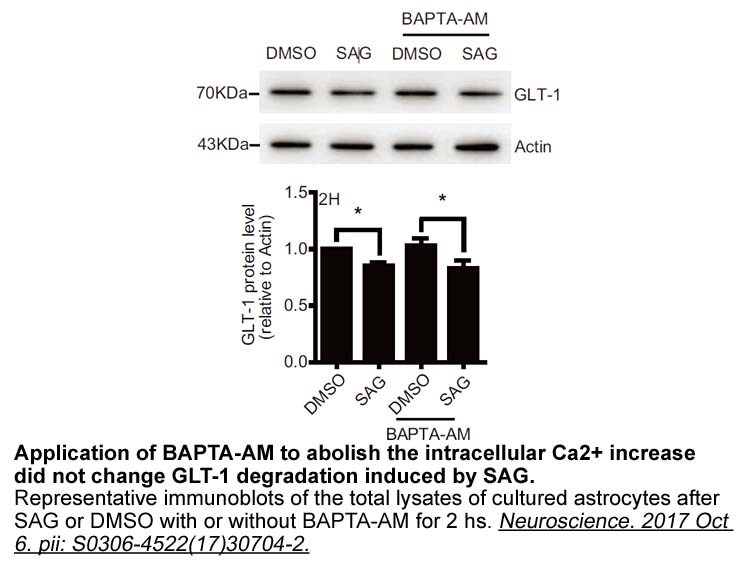
REM sleep is proposed to create an environment to facilitate plasticity processes that create a generalized downregulation of synaptic strength (Grosmark et al., 2012; Tononi and Cirelli, 2014), while synapses are upregulated specifically by the reactivation of neuronal firing sequences experienced
-
In the current study we
2023-10-27
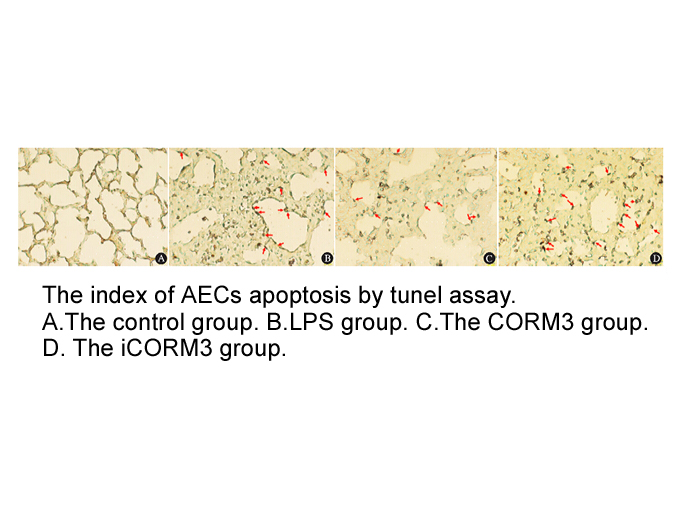
In the current study, we provide evidence that enhanced ATX activity correlates well with increased ATX protein concentration during cholestasis and pregnancy (Fig. 1). Hereby we have ruled out the possibility of ATX enzyme activation in these conditions, e.g. by circulating cholephiles. ATX clearan
-
Molecular simulation has proven useful in
2023-10-27

Molecular simulation has proven useful in describing the dynamics and energetics of NMDA receptor LBD cleft closure and the potentiating role of glycans (Yao et al., 2013, Dai and Zhou, 2013, Dai and Zhou, 2015, Dai and Zhou, 2016, Dutta et al., 2015, Omotuyi and Ueda, 2015, Sinitskiy and Pande, 201
-
In our study S aureus activated
2023-10-26
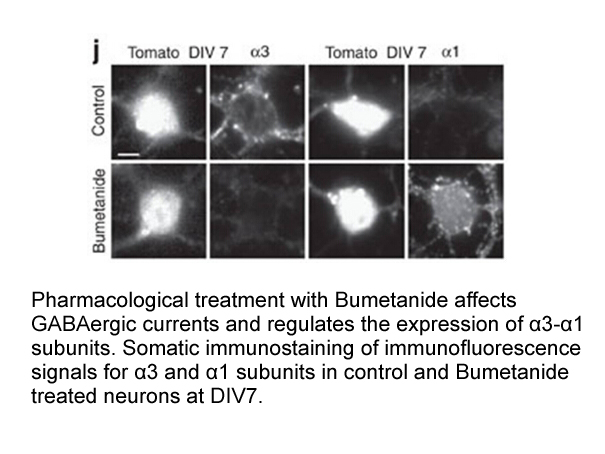
In our study, S. aureus activated the TLR signaling pathways of BMECs, thus inducing profibrogenic growth factor expression via NF-κB and AP-1. Since fibrosis is an important pathogenic process in both bovine and human mastitis, further studies on the molecular mechanisms of S. aureus infection are
-
Regarding progression free survival analyzing
2023-10-26
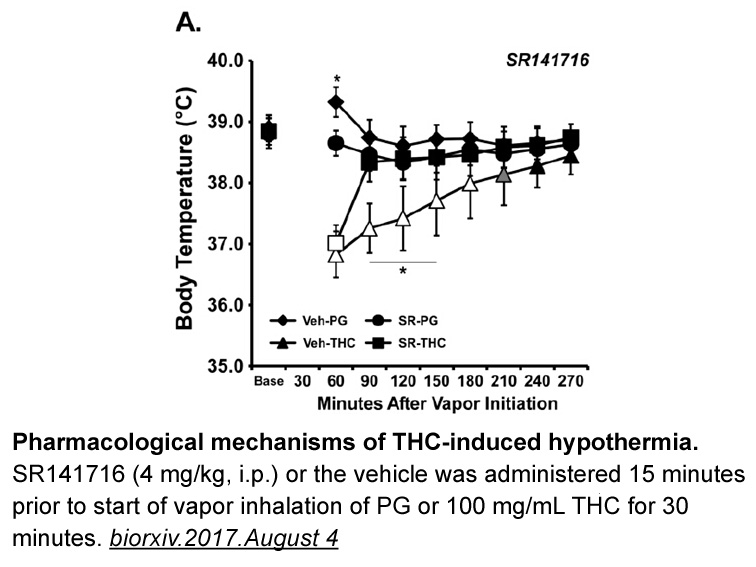
Regarding progression free-survival, analyzing 12 clinical trials, we demonstrated that the use of antiangiogenic treatment results in a statistically longer PFS with a pooled HR of 0.76 (95% CI 0.65–0.89, pSildenafil of improvement of PFS only is that after antiangiogenic therapy glioblastomas appe
-
br Telmisartan Telmisartan is one of the widely used antihyp
2023-10-26
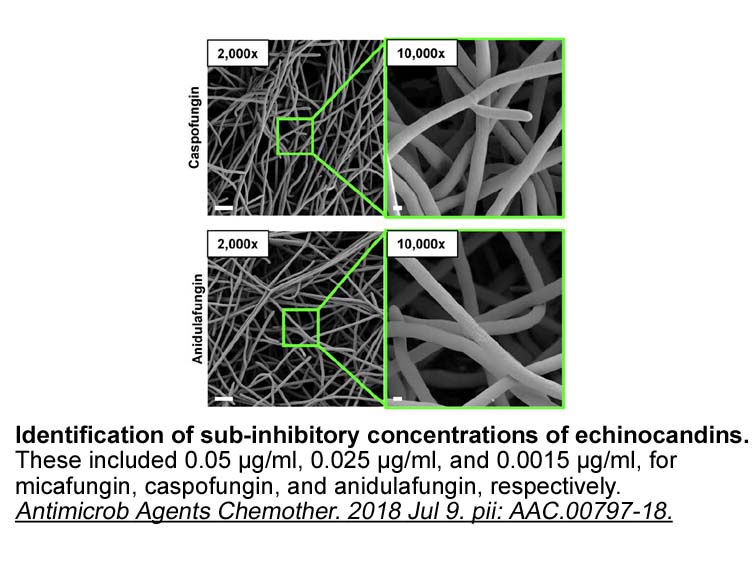
Telmisartan Telmisartan is one of the widely used antihypertensive agents, which has demonstrated favorable safety and tolerability profiles, both alone and in combination therapies. It has a number of pharmacological properties that distinguish it from other ARBs—the longest plasma half-life, hi
-
Detailed analysis of the dose dependence
2023-10-26
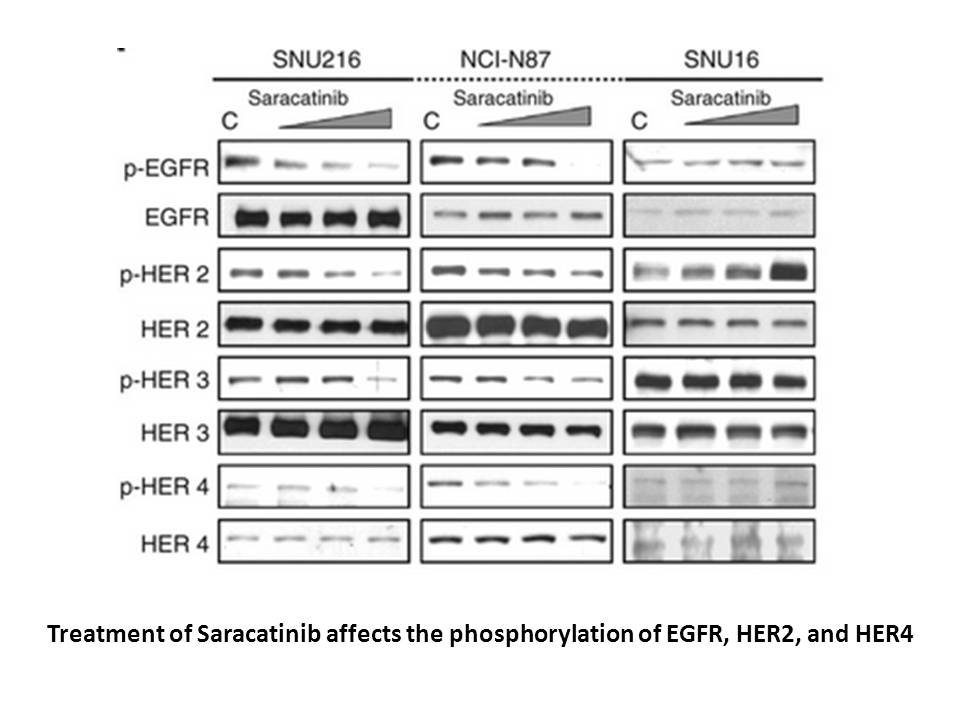
Detailed analysis of the dose dependence of Aβ effects revealed that at low amounts, Aβ can also act as a positive regulator of presynaptic activity, enhancing the neurotransmitter release probability and increasing the neuronal excitability [2]. The facilitator effects of low Aβ dose on excitatory
-
This chemistry paved way for multi gram
2023-10-26
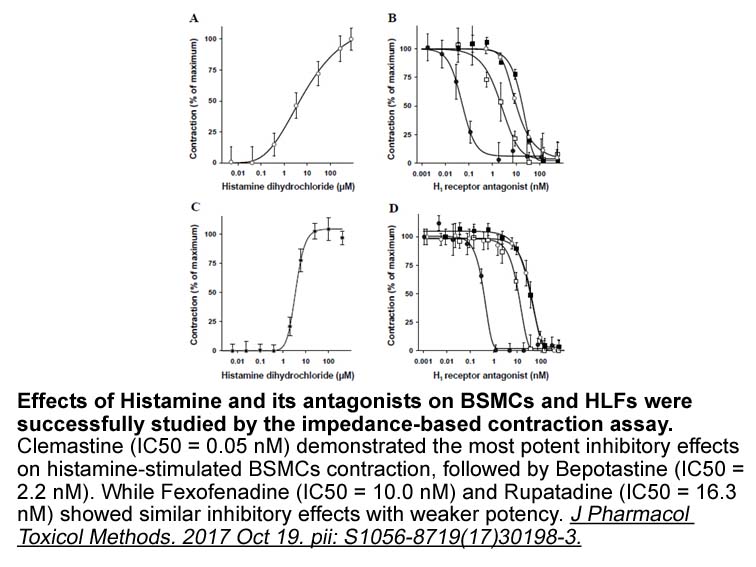
This chemistry paved way for multi-gram synthesis of which was utilized for extensive piperazine benzamide SAR exploration. Depicted in , the two-step operation towards final targets involved standard amide coupling conditions with EDC or HATU followed by Boc deprotection under acidic conditions. S
-
Curcumin is the principal natural polyphenol curcuminoid
2023-10-26
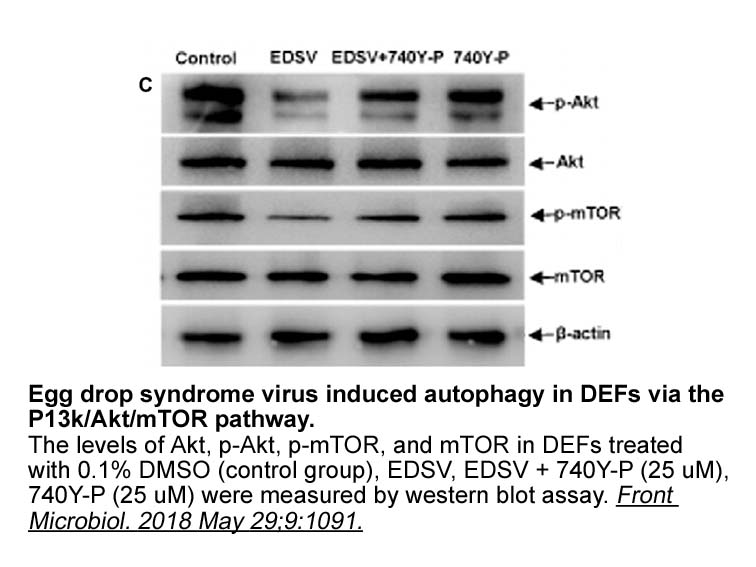
Curcumin is the principal natural polyphenol curcuminoid of turmeric (Curcuma longa) rhizome, a member of the ginger family (Zingiberaceae) [13]. Curcumin has a wide spectrum of therapeutic properties, and it has been shown to possess antioxidant, anti-inflammatory, anticancer, antiangiogenesis, che
-
br Conclusions The following are the supplementary data
2023-10-26
Conclusions The following are the supplementary data related to this article. Author contributions Conflict of interest Funding sources This work was supported by the Canadian Institutes of Health Research [grant: MOP-79470]. Introduction Sperm cells undergo a number of physical and
-
The relative stereochemistry of both the
2023-10-25
The relative stereochemistry of both the major and minor diastereoisomer of (±)-2-(hydroxymethyl)blebbistatin (±)- (and thus (±)-2-(allyloxymethyl)blebbistatin (±)-) was determined with 1D-NOESY experiments (), as crystallization efforts failed. These experiments revealed an interaction between H an
-
exemplifies three of the compounds
2023-10-25

exemplifies three of the compounds investigated in the selection for a candidate drug (CD). Our first criteria was an IC LCL161 australia as such did not show any genotoxicity in the SOS/umu assay, but this does not say anything about any possible genotoxicity of its metabolites or degradation pro
-
From an historical perspective ligands for GPCRs adrenaline
2023-10-25
From an historical perspective, ligands for GPCRs (adrenaline, serotonin, E6 Berbamine synthesis or morphine, to name a few) have been identified before their receptor counterparts, at a time when the concept of receptor itself was controversial [15]. Although many cognate receptors for endogenous
-
To clarify the molecular mechanism of
2023-10-25
To clarify the molecular mechanism of maduramicin-induced apoptosis in chicken myocardial cells, the mRNA levels of bcl-2, bax, and cytochrome C, as well as the mRNA levels and activities of caspase-3/8/9 were determined. The mRNA expressions and activities of initiator casapase-9 and executioner ca
-
chpg It is noticed that MDL only partly
2023-10-25
It is noticed that MDL-28170 only partly reversed isoflurane-induced AIF release and nuclear translocation. In addition to calpain mechanism, activation of the DNA repair enzyme poly (ADP-ribose) polymerase-1 (PARP-1) is also essential for AIF release (Culmsee et al., 2005; Moubarak et al., 2007), a
8598 records 290/574 page Previous Next First page 上5页 286287288289290 下5页 Last page