Archives
- 2026-09
- 2026-08
- 2026-07
- 2026-06
- 2026-05
- 2026-04
- 2026-03
- 2026-02
- 2026-01
- 2025-12
- 2025-11
- 2025-10
- 2025-09
- 2025-03
- 2025-02
- 2025-01
- 2024-12
- 2024-11
- 2024-10
- 2024-09
- 2024-08
- 2024-07
- 2024-06
- 2024-05
- 2024-04
- 2024-03
- 2024-02
- 2024-01
- 2023-12
- 2023-11
- 2023-10
- 2023-09
- 2023-08
- 2023-07
- 2023-06
- 2023-05
- 2023-04
- 2023-03
- 2023-02
- 2023-01
- 2022-12
- 2022-11
- 2022-10
- 2022-09
- 2022-08
- 2022-07
- 2022-06
- 2022-05
- 2022-04
- 2022-03
- 2022-02
- 2022-01
-
Based on the improved characteristics of the mutant ECDs
2023-10-20
Based on the improved characteristics of the mutant ECDs we proceeded to crystallization trials, starting with the β1-BPloop as the most promising. We obtained rod shaped hexagonal crystals reproducibly, but with moderate diffraction ability (Fig. 5). Furthermore, the crystals were sensitive in moun
-
br Mechanisms of specific immunotherapy
2023-10-20
Mechanisms of specific immunotherapy Several mechanisms may be involved in specific immunotherapy of EAMG by active immunization with the therapeutic vaccine in IFA. During the therapy, the therapeutic benefits result from diversion of autoantibody specificities away from pathogenic extracellula
-
br Conclusion There have been
2023-10-20
Conclusion There have been multiple clinical trials and pre-clinical studies that have tested the utility of 5ARIs in treating prostate disease, as summarized in Fig. 1. Inhibiting androgen action through the use of finasteride and dutasteride has been established as a valuable resource for physi
-
br Methods br Results br Discussion Autotaxin
2023-10-20
Methods Results Discussion Autotaxin has been shown to have effects on major cell types implicated in OA, notably chondrocytes, osteoblasts, osteoclasts, and synoviocytes, through its enzymatic product LPA [20]. However, a paucity of research exists on the involvement of autotaxin in OA. Fi
-
KPT-185 mg br Conclusion br Acknowledgements br Introduction
2023-10-20
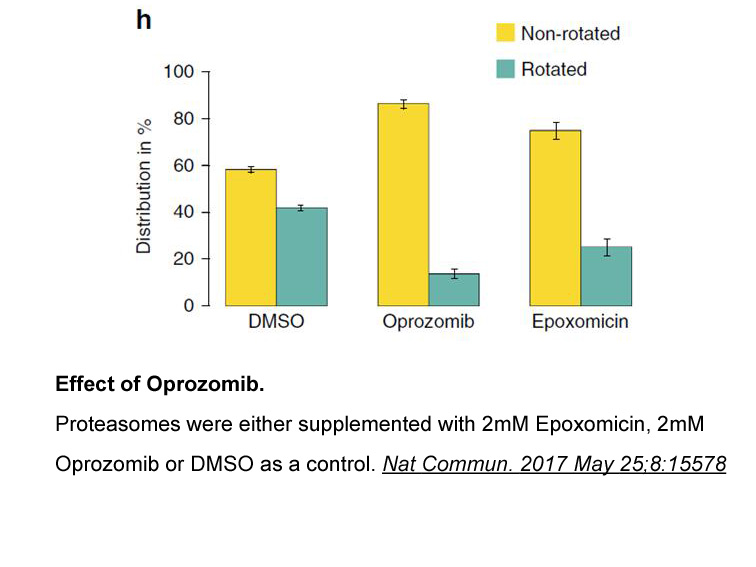
Conclusion Acknowledgements Introduction Synapses are the fundamental elements of neuronal networks that enable the processing, encoding, and retrieval of information in the brain, and pathological disruptions in synapse structure are broadly held to underlie the development of neurological
-
In conclusion we report that the widely prescribed drug
2023-10-20
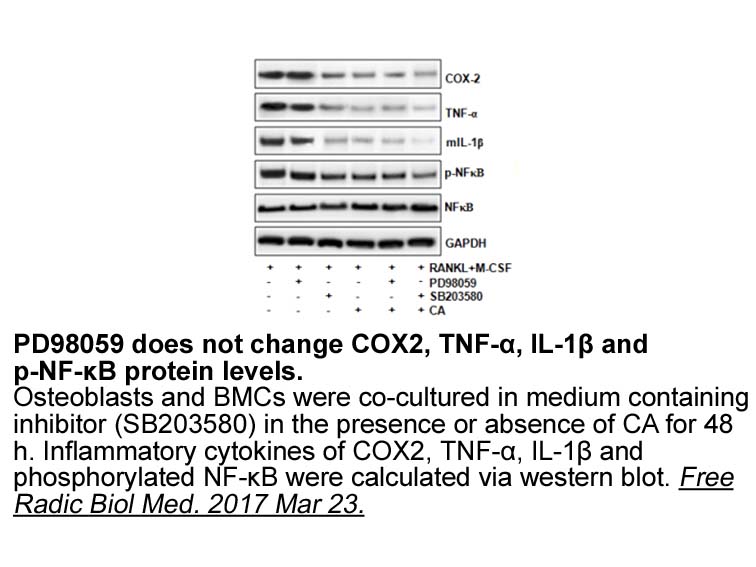
In conclusion, we report that the widely prescribed drug VPA exerts therapeutic effects on optic nerve demyelination and retinal degeneration in a mouse model of MS. Our findings raise an interesting possibility that combination therapy of VPA and ASK1 inhibition may be useful for treatment of autoi
-
To clarify the molecular mechanism of maduramicin induced ap
2023-10-20
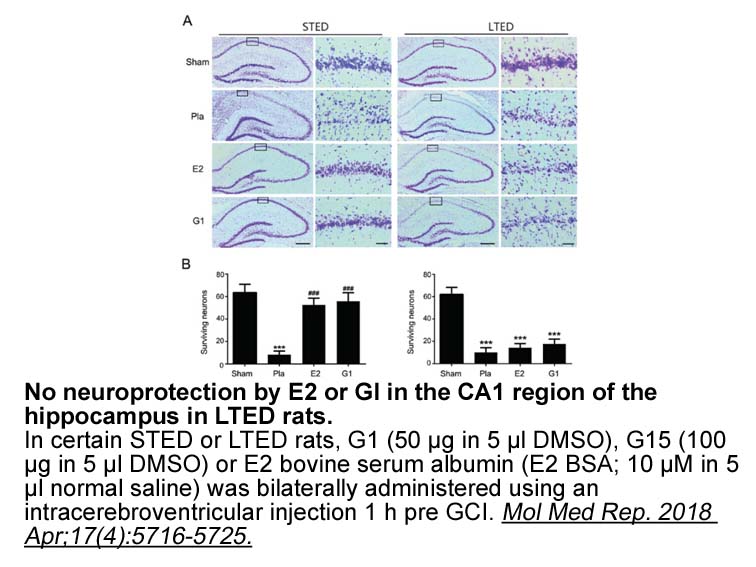
To clarify the molecular mechanism of maduramicin-induced apoptosis in chicken myocardial cells, the mRNA levels of bcl-2, bax, and cytochrome C, as well as the mRNA levels and activities of caspase-3/8/9 were determined. The mRNA expressions and activities of initiator casapase-9 and executioner ca
-
Apelin is involved in various
2023-10-20
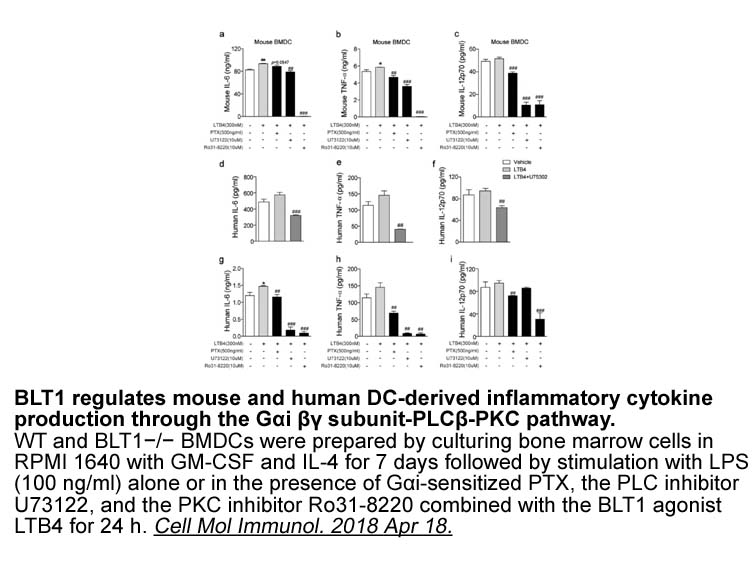
Apelin is involved in various physiological functions, including IKK Inhibitor VII receptor contraction (Ashley et al., 2005), vasodilatation (Jia et al., 2007), feeding control (Valle et al., 2008), and metabolic homeostasis (Higuchi et al., 2007, Dray et al., 2008, Attane et al., 2010). Its plasma
-
It is worth noting that in S cerevisiae
2023-10-20
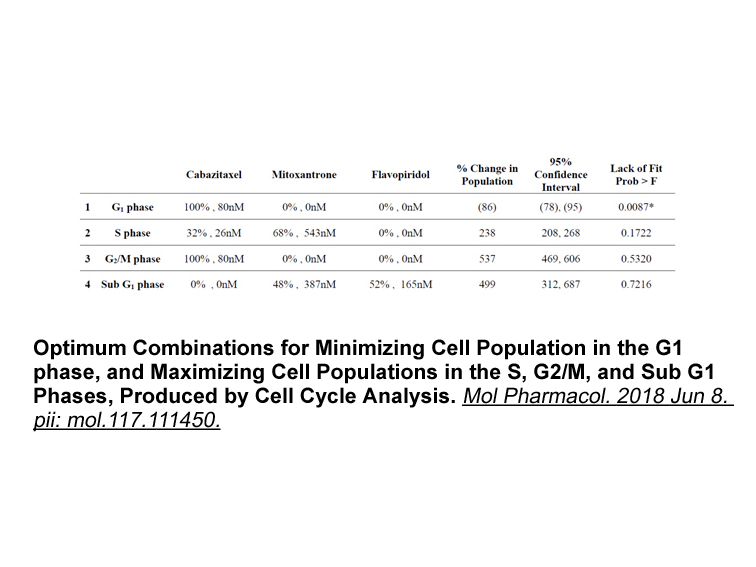
It is worth noting that in S. cerevisiae, the control of two cell-cycle checkpoints requiring Mcm1 involves two very different mechanisms. At the G1/S transition, Mcm1 transactivation activity is inhibited by Yox1 and Yhp1 repressors, whose expression is periodically regulated through the cell cycle
-
br Results br Discussion Evaluation of antimicrobial
2023-10-20
Results Discussion Evaluation of antimicrobial usage is standardized using the DDD as a recommended strategy for comparison with similar hospitals [13]. The use of risk adjustment is needed to overcome the challenge of benchmarking. Two patient characteristics are associated with clinical outc
-
An issue related to research without biomarkers is
2023-10-19
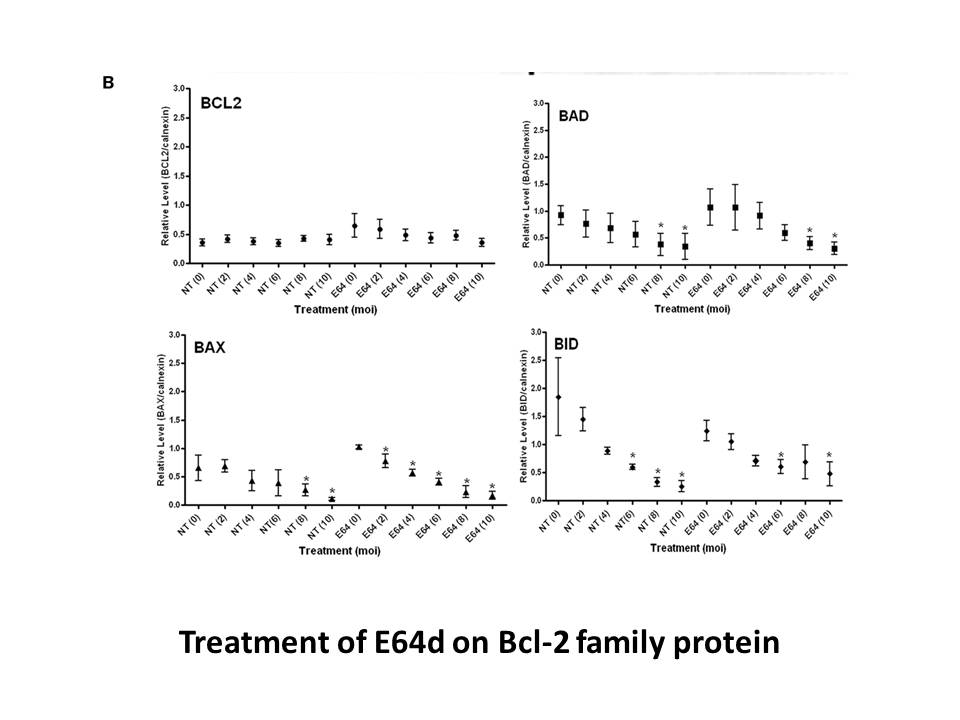
An issue related to research without biomarkers is that many studies will ascertain some but not all biomarker groups in study participants. Because tau PET is relatively new, incomplete biomarker information will occur in studies that use imaging for amyloid and neurodegenerative biomarker characte
-
Adiponectin also suppresses inflammatory stimuli induced NF
2023-10-19
Adiponectin also suppresses inflammatory stimuli-induced NF-kappaB activation, which may significantly contribute to the anti-diabetic and anti-atherogenic effects of adiponectin (Ouchi et al., 2000). The downstream mediators of AdipoR1 and AdipoR2, RPPAR and AMPK increase inflammatory responses by
-
Our co IP data show that HT A
2023-10-19
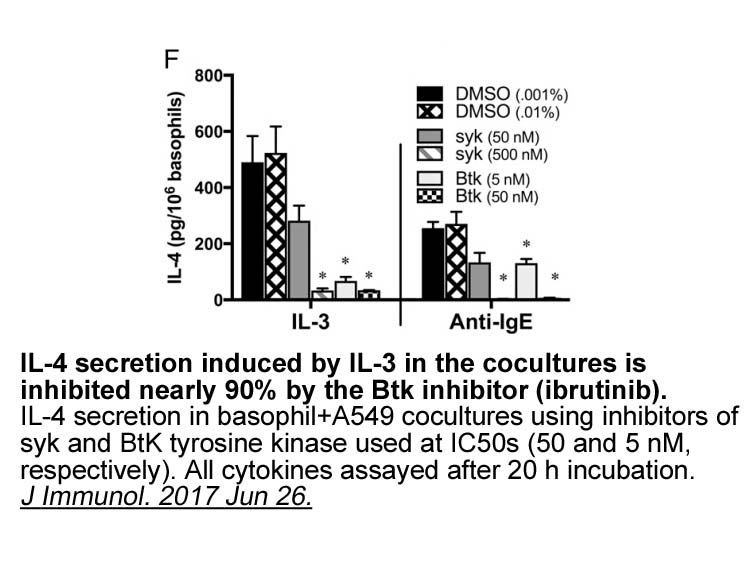
Our co-IP data show that 5HT1A or 5HT2A receptors do not heterodimerize with mGluR1α receptors. Given that both 5-HT and mGlu receptors are GPCRs and produce anxiolytic effects, a degree of cooperativity via a functional cross-talk may still exist between these receptors [11]. In addition to the fun
-
The present study showed for the first time
2023-10-19
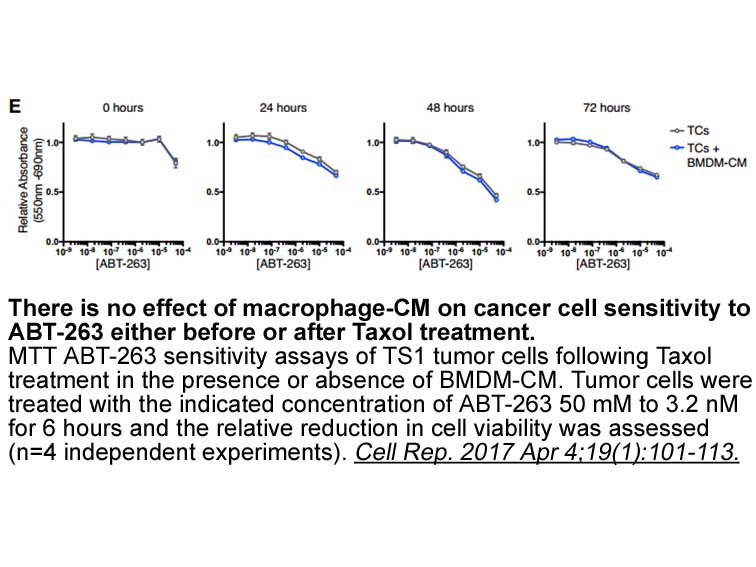
The present study showed, for the first time, that hirsutine, hirsuteine, rhynchophylline, isorhynchophylline, corynoxeine, and isocorynoxeine in yokukansan can inhibit the 5-HT3 receptor current. These data indicate that part of the effect of yokukansan against the behavioral and psychological symp
-
It has been suggested that
2023-10-19
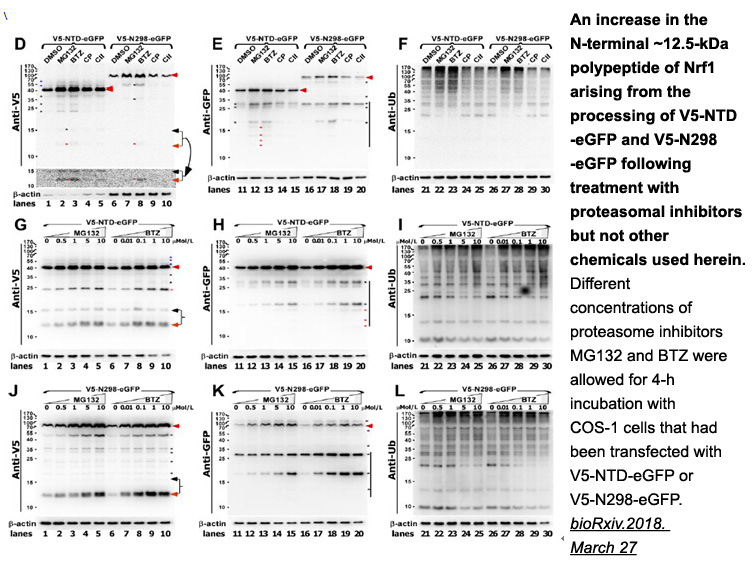
It has been suggested that the suppression of 5-LOX could promote apoptotic signaling pathways in cancers [6]. However, the role of 5-LOX in modulating apoptotic factors and neutrophil activation during ANP has not yet been evaluated. In this study, we aimed to evaluate the expression of 5-LOX in pa
8598 records 294/574 page Previous Next First page 上5页 291292293294295 下5页 Last page