Archives
- 2026-08
- 2026-07
- 2026-06
- 2026-05
- 2026-04
- 2026-03
- 2026-02
- 2026-01
- 2025-12
- 2025-11
- 2025-10
- 2025-09
- 2025-03
- 2025-02
- 2025-01
- 2024-12
- 2024-11
- 2024-10
- 2024-09
- 2024-08
- 2024-07
- 2024-06
- 2024-05
- 2024-04
- 2024-03
- 2024-02
- 2024-01
- 2023-12
- 2023-11
- 2023-10
- 2023-09
- 2023-08
- 2023-07
- 2023-06
- 2023-05
- 2023-04
- 2023-03
- 2023-02
- 2023-01
- 2022-12
- 2022-11
- 2022-10
- 2022-09
- 2022-08
- 2022-07
- 2022-06
- 2022-05
- 2022-04
- 2022-03
- 2022-02
- 2022-01
- 2021-12
- 2021-11
- 2021-10
- 2021-09
- 2021-08
- 2021-07
- 2021-06
- 2021-05
- 2021-04
- 2021-03
- 2021-02
- 2021-01
- 2020-12
- 2020-11
- 2020-10
- 2020-09
- 2020-08
- 2020-07
- 2020-06
- 2020-05
- 2020-04
- 2020-03
- 2020-02
- 2020-01
- 2019-12
- 2019-11
- 2019-10
- 2019-09
- 2019-08
- 2019-07
- 2019-06
- 2019-05
- 2019-04
- 2018-07
-
Another breakthrough towards the understanding of
2020-02-22
Another breakthrough towards the understanding of the mechanisms responsible for stress-induced relapse to drug seeking behaviour is the evidence published by the group of Wise [34] in which they show that the activation of VTA CRF2 and not CRF1 receptors is responsible for stress-mediated relapse t
-
br Cytokine profile in MPN Results from
2020-02-22
Cytokine profile in MPN: Results from experimental investigation Cytokines are small molecules constituted by proteins or glycoproteins, which regulate the immune cell function and the immune system. They are secreted mainly by immune perk inhibitor but also by other cells such as epithelial cel
-
In LPS treated BV cells
2020-02-22
In LPS-treated BV-2 cells, we found that the upregulated CysLT2R was translocated into the nucleus. The nuclear localization of CysLT2Rs in microglia has not been reported previously. It is known that CysLT1Rs in endothelial Pamidronate Disodium mg translocated to the nucleus in a ligand-independen
-
We then explored the potential roles of vigilin along
2020-02-22
We then explored the potential roles of vigilin, along with other proteins which have affinity for the 69 nt CSF-1R element, in breast cancer cells. The sequestration of these proteins by excess 69 nt pyrimidine-rich element increases CSF-1R levels (Figures 2 and 4), and as a result, increases the
-
Compound A and Compound B
2020-02-22
Compound A and Compound B (Fig. 4) were found in our in vitro screening assays and have similar CRF1 receptor in vitro profiles (Table 1). When binding was investigated using [125I]-CRF in ex vivo assay, Compound A inhibited binding of [125I]-CRF both in the frontal cortex and the pituitary; however
-
Next our exploration shifted to modifications at the lateral
2020-02-22
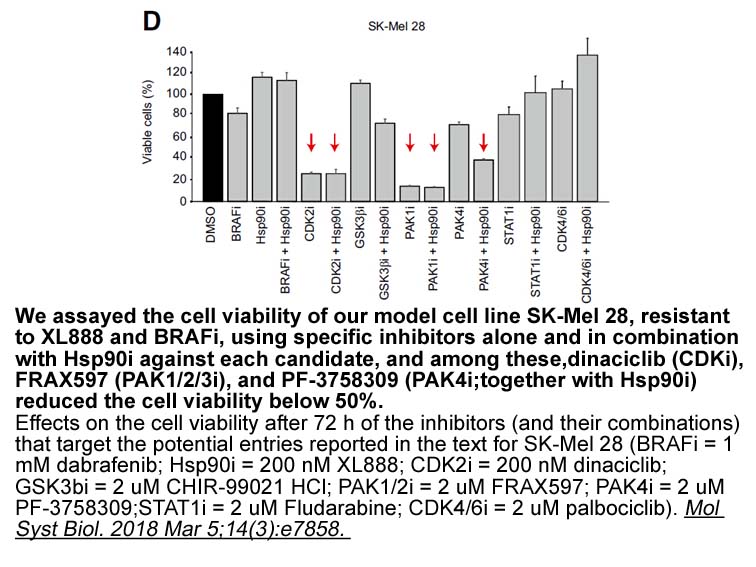
Next, our exploration shifted to modifications at the lateral chain of the benzoquinone nucleus (SAR 2). Considering that the CK2 inhibitory activity is favoured by the presence of the -Ph-4-NO2 (SAR 1), the subsequent analogues were investigated with this moiety retained. The influence of the side
-
Previous studies have documented that SCFAs may elicit effec
2020-02-22
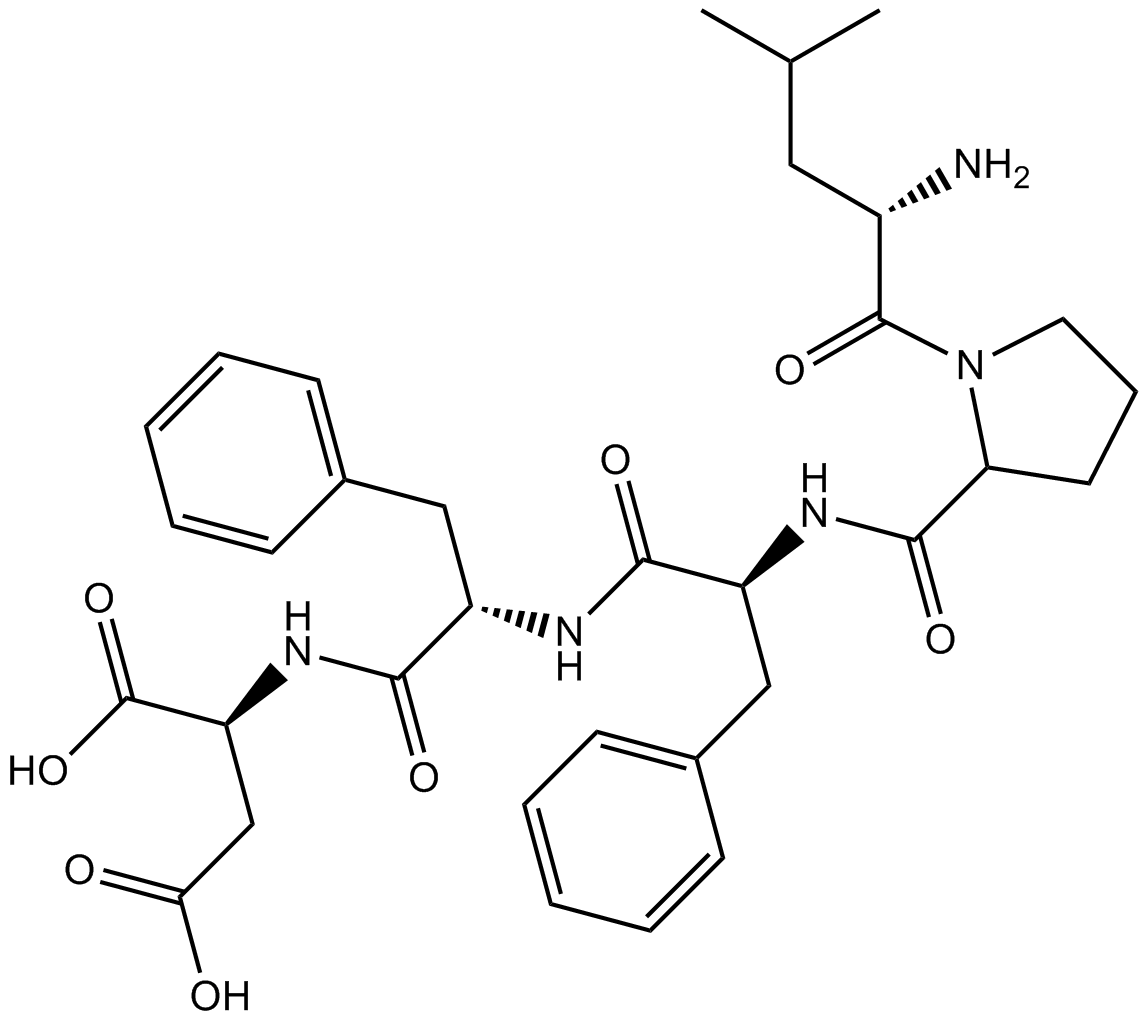
Previous studies have documented that SCFAs may elicit effects on lipid metabolism via de novo synthesis and transport. Acetate is not only used as an energy source, but is also constituted as a substrate for the cholesterol synthesis in the liver through acetyl-CoA, thus affecting plasma cholestero
-
Although it remains an unsettled issue evidence favors
2020-02-22
Although it remains an unsettled issue, evidence favors that the endothelin ETA Vanoxerine may play a more important pathological role. While both endothelin ETA and ETB receptors are found in most tissues, endothelin ETA receptor is the predominant receptor responsible for the vasoconstricting and
-
Then the mechanisms responsible for BPA induced up regulatio
2020-02-22
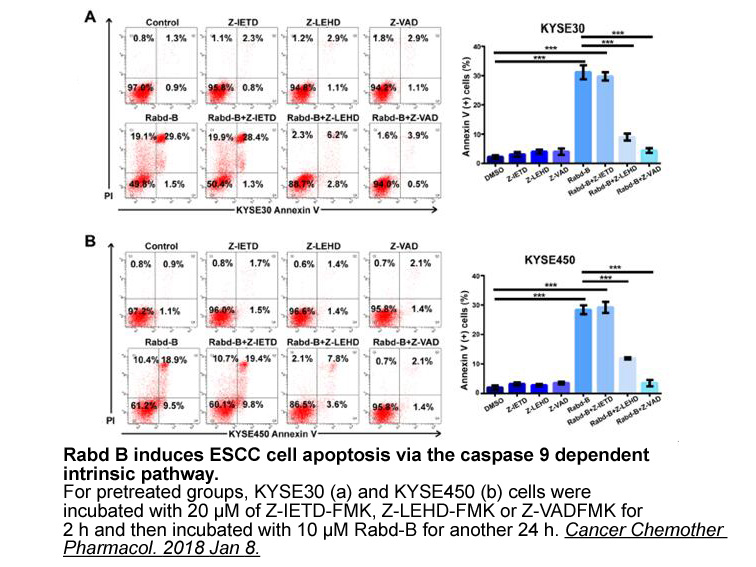
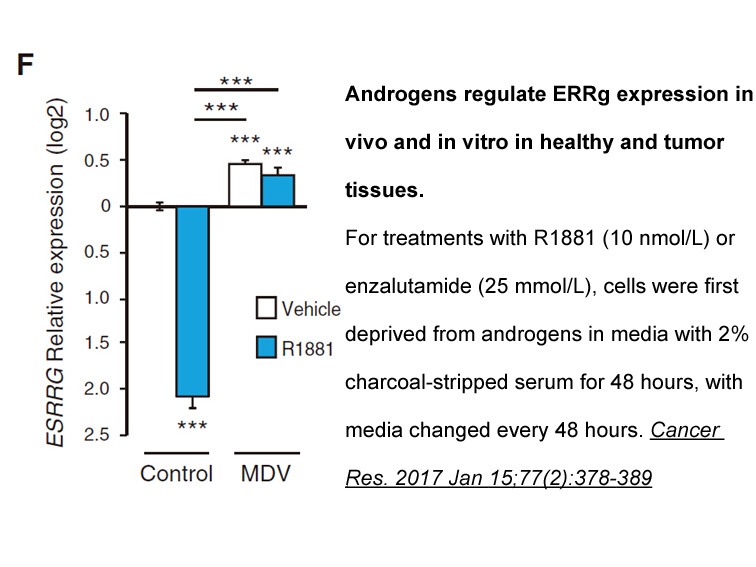
Then the mechanisms responsible for BPA induced up regulation of ERRγ were further investigated. Recent studies indicated that Akt and MPAK can modulate the protein levels and transcriptional activities of ERRγ (Heckler et al., 2014, Sun et al., 2014). Previous studies also indicated that BPA can ac
-
In looking at exist http www apexbt com
2020-02-22
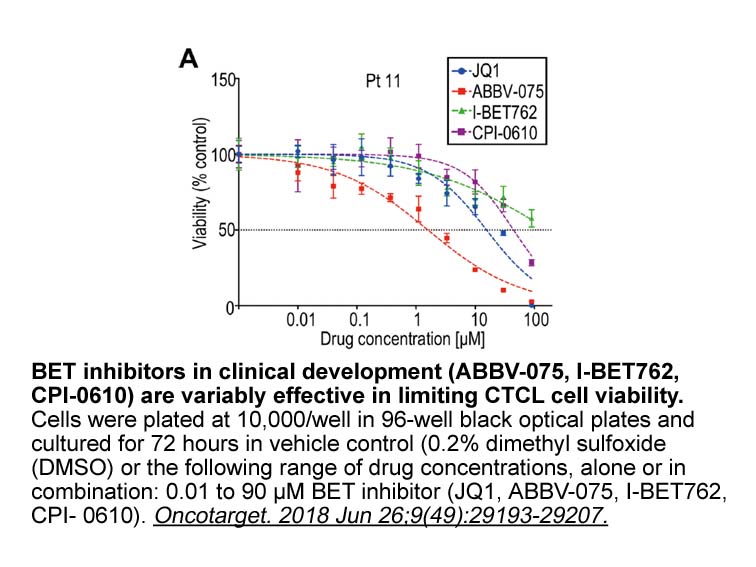
In looking at existing FGE substrates from other organisms, there are no reported effects on conversion efficiency of the general XCXPXRX pattern with respect to placement within or at the N′ or C′ terminus of polypeptides, and it has been suggested that the aldehyde formation is independent of the
-
br Acknowledgments Grant support was provided by the Leading
2020-02-22

Acknowledgments Grant support was provided by the Leading Academic Discipline Projects of Shanghai Municipal Education Commission (J5028) (J50201) to Dr. Mi, the China National Science Foundation Project (81072076) to Dr. Mi, the China National Science Foundation Project (31000349) to Dr. Shen, a
-
CHIR-090 cGAS has a central role in STING activation after D
2020-02-22
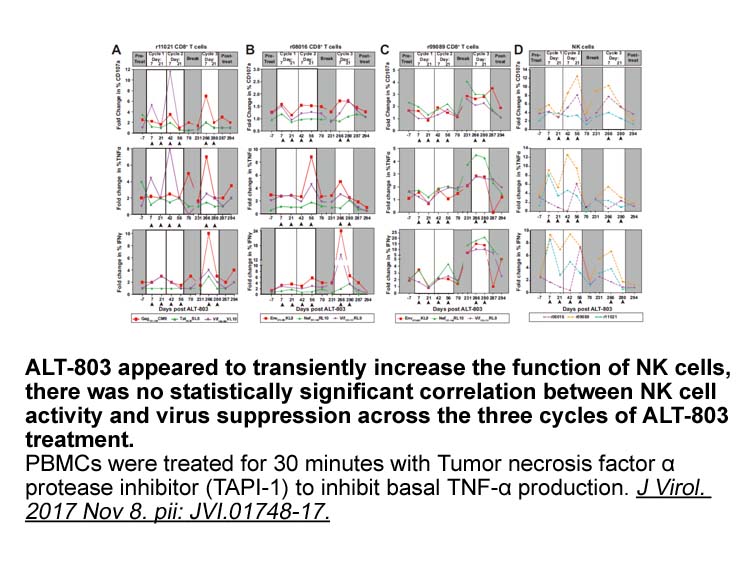
cGAS has a central role in STING activation after DNA sensing, but it is unknown if most of the DNA sensors act independently or in cooperation with the cGAS-cGAMP pathway. This was addressed for IFI16 (Almine et al., 2017, Jønsson et al., 2017) and PQBP1 (Yoh et al., 2015) but remains to be tested
-
br Phylogenetic analysis KSTDs have rather diverse amino
2020-02-22
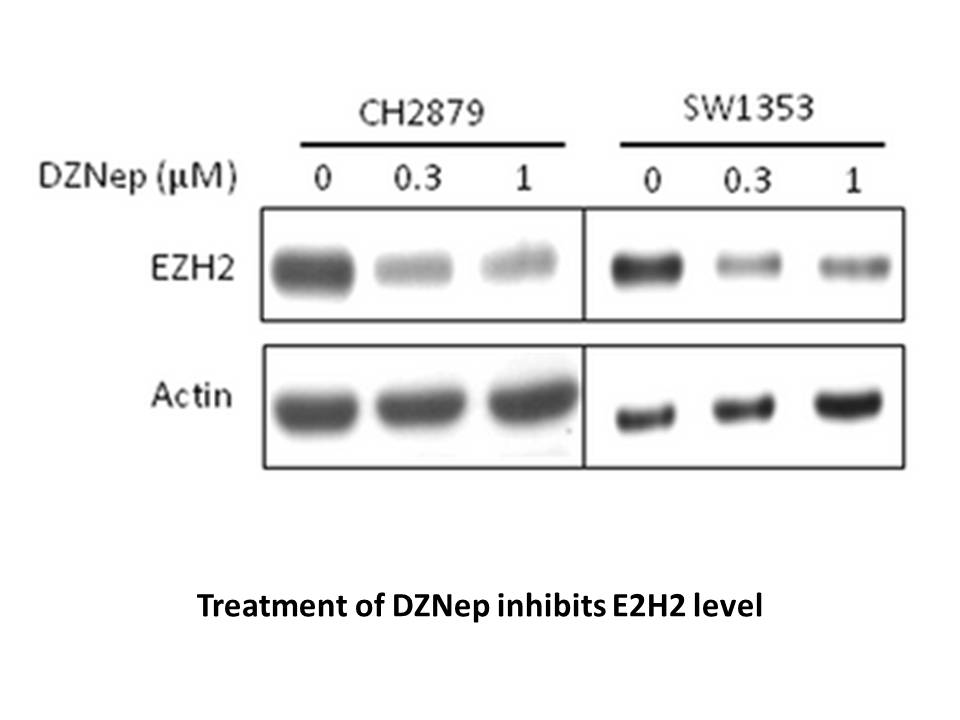
Phylogenetic analysis — Δ1-KSTDs have rather diverse amino Palifosfamide sequences. A sequence distance analysis using the program MEGA6 [75] of all currently biochemically characterized Δ1-KSTDs yielded a largest p-distance [76] of 0.67 (on a scale of 0-1) for the Δ1-KSTDs from the actinobacteri
-
vx 20 Imidazo purine diones were another cluster of compound
2020-02-22
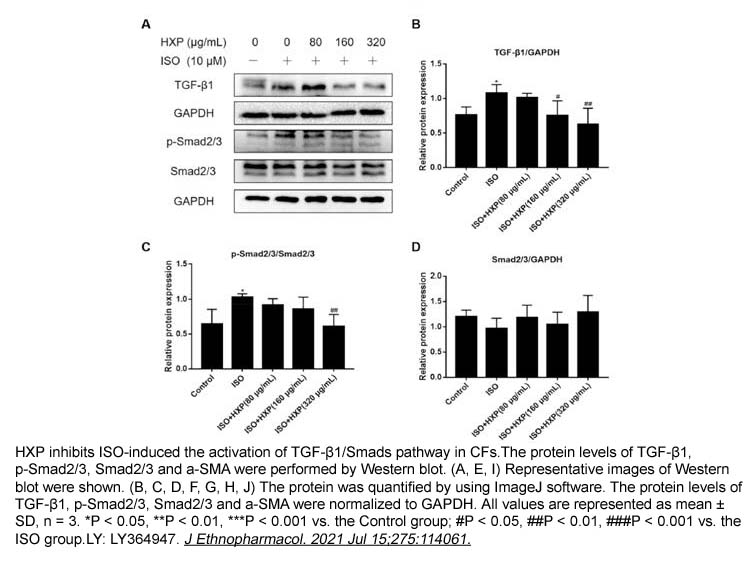
1-Imidazo[2,1-]purine-2,4(3,8)-diones were another cluster of compounds identified from the Chembridge screen (). A benzyl group at the R2 position was preferred over a phenyl or 2-phenylpropyl (. and ), and -substitution of the benzyl group increased potency to the nanomolar level ( IC=0.20μM . ).
-
In addition to EGFR other receptor tyrosine kinases
2020-02-21
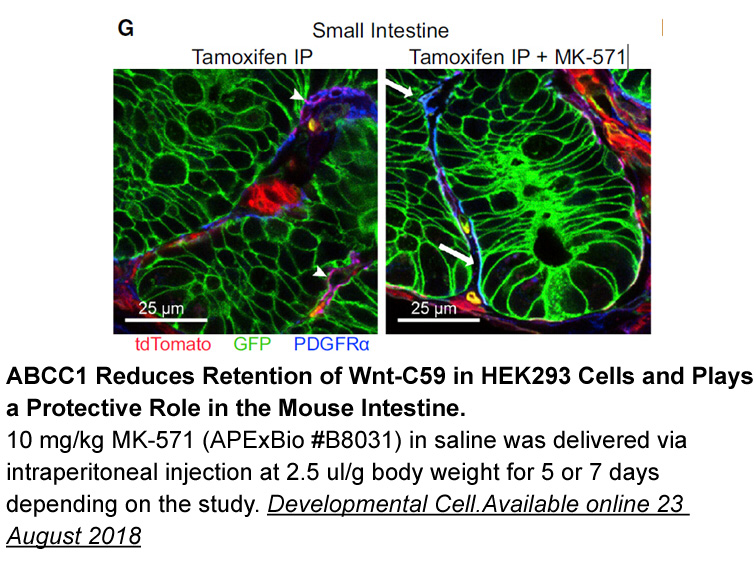
In addition to EGFR, other receptor tyrosine kinases (RTKs) also play roles in the tumor progression under hypoxia, especially hepatocyte growth factor receptor (cMet) (Le et al., 2012). Our data suggested that unlike EGFR, hypoxia had no apparent effect on cMet Anhydrotetracycline hydrochloride (da
16542 records 940/1103 page Previous Next First page 上5页 936937938939940 下5页 Last page